

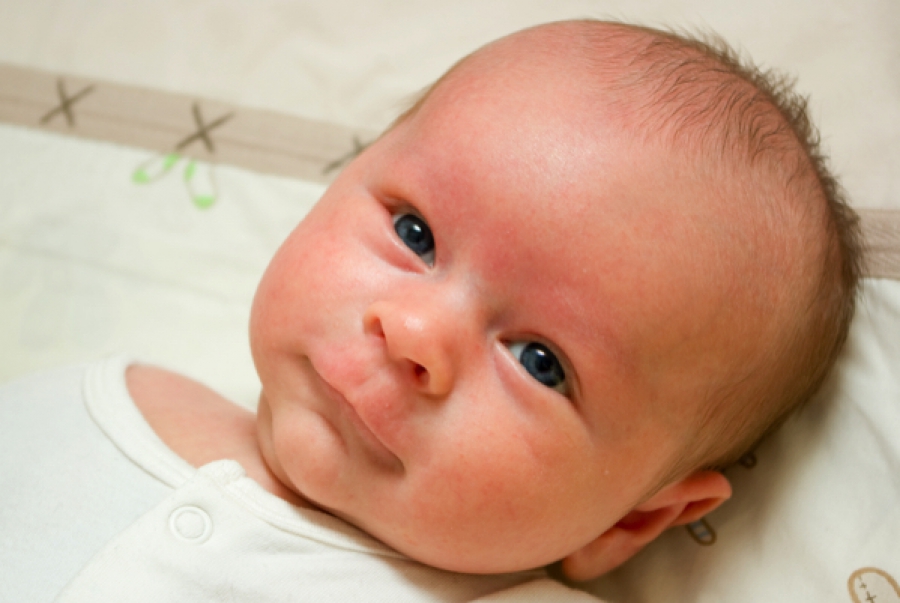
So how do you know whether your baby has an allergy? How do you find out what causes the reaction to these allergies? How do you avoid them?
Allergy or Cold?
You have been wiping your baby’s nose for constantly the past week already. He/she is clearly not feeling well and coughing or sneezing… Allergies and colds can have very similar symptoms and thus easily be confused.
There are so many different of allergies that can affect your baby, from food to environmental allergies. Hayfever rarely affects small babies as they do not really get exposed to outdoor substances while being so small. I have seen babies get allergic reaction something as unusual like a mosquito bite. The largest percentage of allergic reactions in small babies are caused by food allergies.
Food Allergies
"Foods are the most common cause of allergies in children under the age of one.” The most common food allergies in babies are: milk, eggs, fish, nuts, soy and wheat. There are two substances in milk that can cause a baby to have an allergic reaction, cow’s milk protein or lactose. Cow’s milk protein we find most formulas as well as dairy products such as cheese and yogurt. Lactose is a type of sugar derived from glucose and galactose found in milk. Babies that have a lactose allergy are normally able to eat cheese and yogurt without any reaction to it. In South Africa the most commonly lactose free formula and milk found are made by Nestle, Wyeth S26 and Parmalat. For mothers who feed their babies formula there are formulas that your baby can drink if allergic to cow’s milk protein such as soymilk and goatsmilk which can be found in Baby City, Dischem and few other stores.
First Foods
When you start to introduce solids to your baby is usually suggested to take on specific food and feed him/her the same food for about 3-4 days to see if your baby gets any allergic reaction to it. It is preferred by healthcare specialists to do this every time when introducing food for the first time. This way it is easy to discover which food baby may be allergic to. It also said that if both parents have allergies there is a bigger chance that baby may also have/develop an allergy. If only one parent has an allergy then baby will have less than 30% to develop an allergy.
Symptoms
The symptoms for allergies can be: Skin rash, watering eyes, runny or stuffy nose, swollen lips or eyes, diarrhoea, vomiting, coughing or sneezing. A doctor once told me a parent can see if by the mucus from the nose if the baby as an allergy or a cold. When baby has a cold then the nose mucus (snot) is more greenish yellow in colour, where as if baby has an allergy then the nose mucus would be more clear in colour.
If your baby has symptoms such as having trouble breathing/wheezing, swelling on face or lips develop, or severs diarrhoea and/or vomiting after eating or loss of consciousness’ then please go see doctor urgently as these symptoms can be serious!
Additional links:
- http://www.webmd.com/parenting/baby/baby-food-nutrition-9/introducing-new-foods
- http://www.webmd.com/allergies/features/child-cold-or-allergies
- http://www.everydayhealth.com/allergy/infants-and-allergies-what-should-parents-watch-for.aspx
Author bio: Annelien Van Schoor loving wife and proud mother of one. Find her here: Twitter @Lienkies84, Lienkies@gmail.com
*This article is copyrighted. You are welcome to share it, without altering the contents, giving proper credit to the author and link to this article. Please note Moomie is not a medical website. All information provided here are to be used at your own discretion. Always consult your caregiver for medical advice. {jcomments on}