

By Jan de Lange
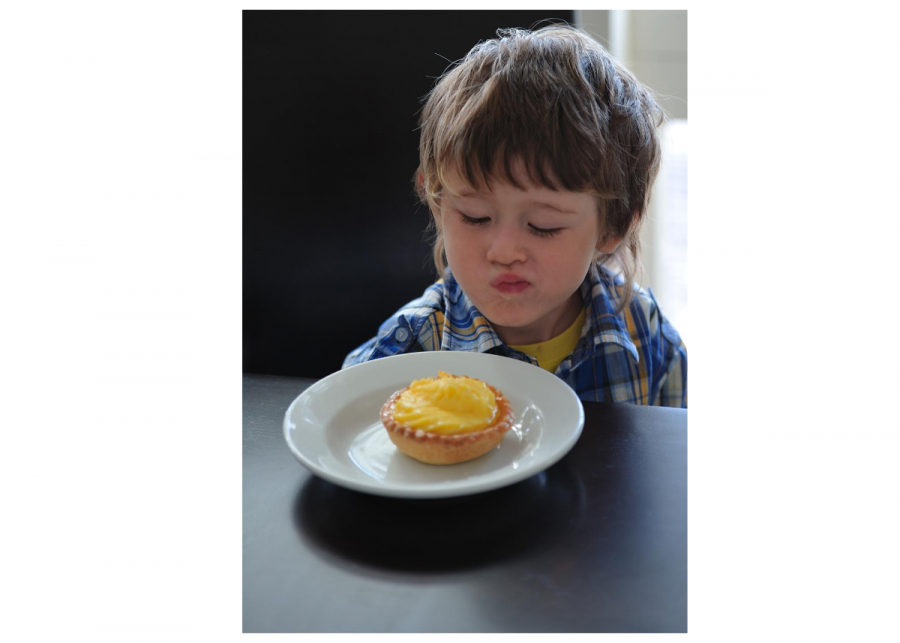
It’s probably not a coincidence that once toddlers are able to start feeding themselves, they also show a preference for some foods and an aversion to others. Today, they refuse to even touch the butternut they scoffed up yesterday. Tomorrow, the broccoli that set sail to a thousand tantrums just the other day gets eaten like its holy manna. Food fussing is about as unpredictable as presidential addresses and can turn the house upside down just as easily. Here are some tips that might help:
What you eat, they eat
Children find it very reassuring when they can do as they see you doing. So, give your child the same meals as everyone else in the household. Just remember not to add salt to their food before they turn 1 as their kidneys won’t be able to cope with it, and be sure to check the labels of any processed food products you use. Having them eat at the same time as you will also help with this as it enables them to copy you. This is also a great way to get them to try out new foods.
Portion sizes
Give them small portions and don’t make a big deal about it when they reject something. Simply whisk it away without a word and try not to get frustrated. You can always try it again at another time. It’s also important here to heap on lots of praise when they do eat something, even if it’s only a little bit. Remember that they are starting to find their tastes and preferences. Small portions will minimize waste (less to stress about for you) and is also more manageable for your little one. It’s also easier to give your child another small portion when on occasion they are hungrier than usual. Starting with small portions also enables you to gauge how much your toddler usually eats at a meal more accurately, meaning you can pick up on deviations of more food or less food quite easily.
Make mealtimes fun
Mealtimes are a great opportunity to take some time out of the day and bond as a family. Take the time to laugh, chat, joke and enjoy each other’s company. This creates a relaxed atmosphere that while your child is still very young encourages eating, and when they become older is conducive to quality time as a family.
Picky eating is a normal part of every child’s development. They are becoming independent, learning to enjoy one thing and discovering that they might not like another. Encourage them to develop broad tastes but remember that the preferences and aversions they discover now can offer some early glances into their rapidly forming personalities.