

By Gabi Falanga
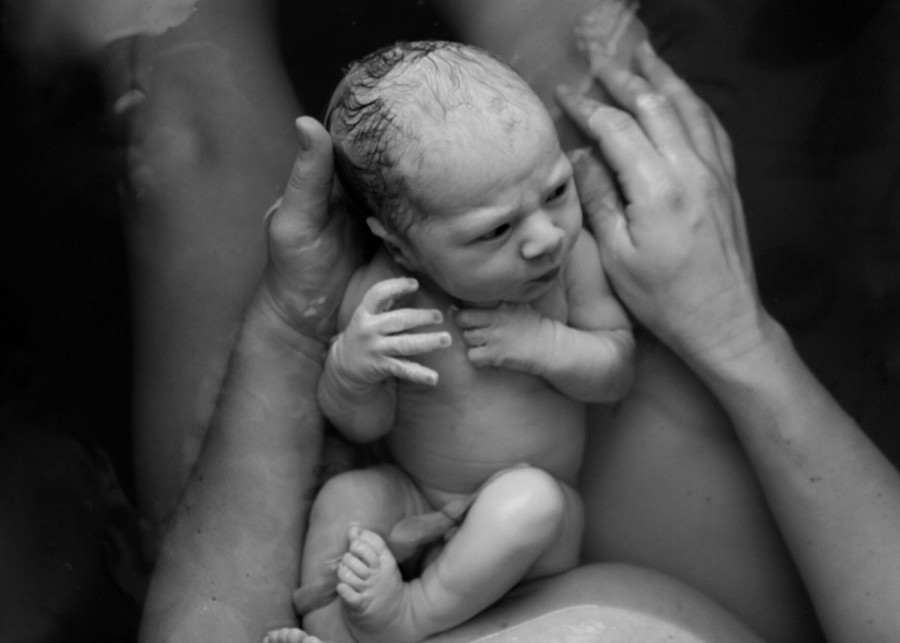
Hundreds of thousands of babies are born each day across the globe. We take a look at interesting birth rituals that are undertaken in different parts of the world to celebrate these babies and support the new mothers.
Jamaica: In Jamaica a baby’s placenta and umbilical cord are planted in a special location and a tree is also planted on that same spot. Once the child is old enough it becomes their responsibility to take care of their birth tree. It is believed that planting a tree helps create an attachment for the child to the place they came from.
Japan: After a baby’s born in Japan, the mother and baby stay in her parent’s home for three weeks or more. While the two stay in bed recovering and bonding, family and friends come to meet the new baby, and do the house chores. It’s traditional to eat osekihan – red rice with red beans – to celebrate the birth. The Japanese also keep a portion of the dried umbilical cord in a small, lacquered box. This is called heso-no-o, which means ‘tail of the belly’. The Japan Times explains that this is thought to maintain the special connection between a mother and child.
Nigeria: In a similar tradition, the Igbo people of Nigeria take special care of a mother after she’s given birth. The tradition is called Omugwo and involves the maternal (or paternal) grandmother looking after the mom and baby for the first few months after birth. While the mother relaxes, she’s fed spicy food to help stimulate her milk production and to prevent blood clots. Her stomach is massaged to make it smaller and to ensure that any blood clots that are still inside the uterus, come out.
Turkey: Turkish people believe that a new baby brings good fortune and abundance to a family. To celebrate the birth, the mother is given lohusa serbeti – which means postpartum, or, new mom sherbet. This is a drink made with water, cinnamon, sugar, cloves and red food colouring. It’s also said to get her milk flowing.
China: In China, mothers who’ve just had a baby are confined to their homes for up to 40 days. It’s known as zuo yue zi or ‘sitting out the month’ and the mother has to adhere to a set of dietary and lifestyle restrictions to heal her ‘broken’ body. Some of these restrictions include avoiding air conditioners and washing hair – although there are different interpretations of the rules. A Chinese American woman, who practised zuo yue zi when she had her fourth child, wrote about it for the Washington Post.
Tibet: On the third day after a baby is born in Tibet, two large banners are hung from the roof eaves of the child’s house. The one banner serves to ward off evil and protect the child, while the other one is to attract good fortune. Friends and family travel to visit the new baby and bring gifts such as buttered tea, barley wine, meat, butter and cheese – to wish the child an abundant life. They also bring new clothes and coloured scarves. A local monk will visit the new born too to ensure that the baby develops wisdom.