

By Gabi Falanga
Keeping our children safe is a parents’ number one priority. This includes making sure they’re safe when traveling. In South Africa, it’s required by law for all children under 3 to be strapped into a car seat unless they’re in a bus or taxi. It also says that children who weigh 9kg or less have to be in a rear-facing car seat. Here are the main types of car seats available.
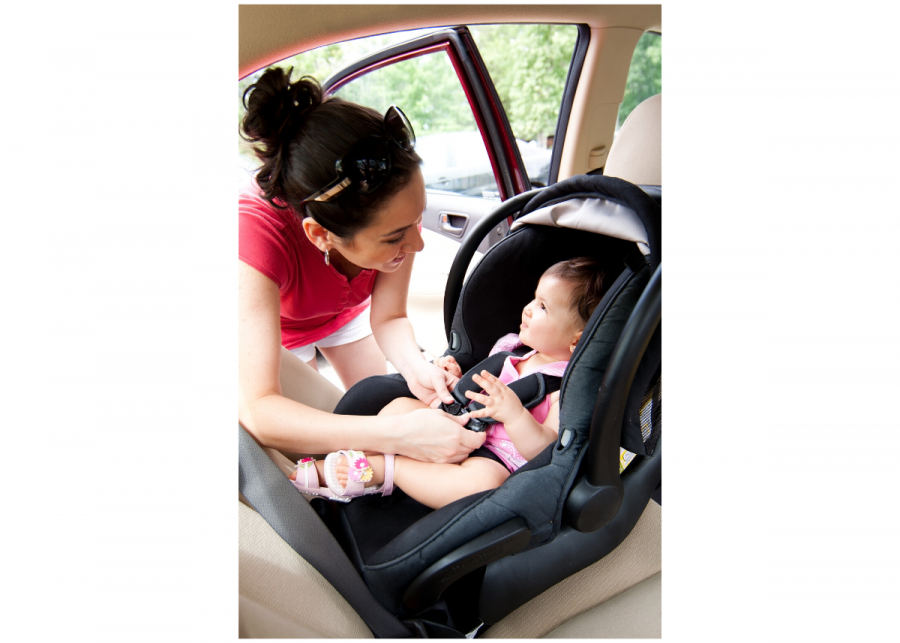
Infant car seat: An infant car seat is what you’ll need for your new born baby and can be used until your baby is between 9 and 13kg depending on the seat. These seats are a ‘bucket’ shape to provide a secure cocoon for the baby and have a five-point harness which fastens with a buckle between the baby’s legs. They are always used in the rear-facing position and some have bases which remain in the car – making it quick and easy to secure the infant seat in the car and take it out again. The infant seat can be removed from the car and carried with a handle – and many of them are able to clip into a pram or other travel system. The handle is left in the ‘up’ position when the car seat is in the car to act as a roll-bar to protect the baby in the event of an accident. Some infant seats can convert into toddler and booster seats, but it is recommended to get a dedicated infant seat for the best and safest fit for your baby.
Toddler seat: Once your baby has outgrown its infant seat, you’ll need to move it into a toddler seat. These seats normally come in rear and forward facing (some can do both), although it’s recommended to keep your child rear-facing until they’re 4 years old, if possible. They also make use of a five-point harness and have different recline options.
Booster seats: Many toddler seats convert to booster seats. There are two types of booster seats: High-back boosters have a seat and a backrest that remains in the upright position. Backless boosters only consist of a seat (the part the child sits on). These car seats are forward-facing only and the child will be strapped in using the car’s shoulder and lap seatbelt. Children under 1.5 metres tall are much safer with a booster seat, after which they’ll be able to safely use a seatbelt without one.
Car seats can be secured into the car using seatbelts or the car’s ISOfix system. Have a look at your car’s manual before car seat shopping to make sure you buy a seat that’s compatible with your car. It’s also important to read the manual that came with your car seat to make sure that you’ve installed it properly and so that you know what the height and weight limits are. Once your child has reached those limits it’s time to move them to the next stage seat.